









I'm often asked what I think about hormone replacement therapy (HRT). My expertise lies in nutrition and metabolic health, not endocrinology or prescribing medication, so I don't tell women whether they should take it. That is a personal decision to make with a doctor who understands their symptoms and medical history.
One argument I hear is that oestrogen declines with menopause, so it makes sense to replace it. I understand the reasoning. HRT can be highly effective for menopausal symptoms, and it can help protect bone health. For some women, it makes an enormous difference to how they feel and function.
But oestrogen is only one part of a much bigger picture.
As we age, we can lose muscle mass and strength. Bone density may decline. Collagen production and skin elasticity change. Growth hormone levels change, and our ability to recover from physical demands may not be what it once was. Sleep can become less restorative, while shifts in body composition can affect how we feel in our own skin.
These changes don't happen to every woman in the same way or at the same rate. And while some can be treated medically, we cannot approach healthy ageing as though every change simply requires a replacement.
What interests me most is the close relationship between hormonal changes and metabolic health. During the menopause transition, fat often begins to accumulate around the abdomen. A woman may weigh much the same as she did years earlier, yet have less muscle and more visceral fat around her organs. The number on the scales can hide a meaningful change in body composition.
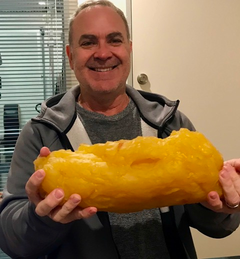
Visceral fat matters because it is associated with inflammation and poorer metabolic health. Fat tissue can also produce oestrogens after menopause, making the relationship between body fat and hormones more complex than simply "more oestrogen is better". Reducing excess visceral fat supports health, but it does not recreate the hormone balance of our younger years.
This is why I keep returning to the foundations. We cannot stop menopause, but we can work to preserve muscle, support our bones, improve our metabolic health and maintain a healthier body composition.
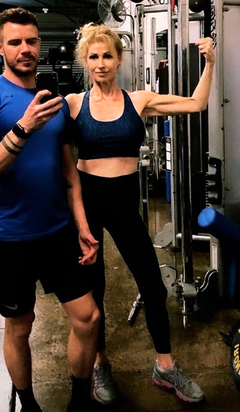
Strength training is central to that effort. Muscle helps us stay capable and independent, and physical activity supports muscle strength during and after menopause. Quality protein provides the building blocks to maintain it. Regular walking adds movement to our day, while adequate sleep supports recovery and makes healthy habits easier to sustain.
I also encourage women to look beyond weight alone. What is happening to your waist measurement? Are you getting stronger or finding everyday tasks harder? How are your blood glucose, lipids and other relevant health markers tracking? Those questions can reveal progress, or an emerging problem, that the scales miss.
None of these habits guarantees a symptom-free menopause. A woman can eat well, train consistently and still experience hot flushes, disrupted sleep or other symptoms that deserve medical attention. She should not feel that she has failed, or that she must get her lifestyle "right" before asking about treatment.
Equally, HRT does not do strength training for us, build our daily habits or address every aspect of metabolic health. The two conversations can and should sit alongside each other.
I respect that every woman must decide, with appropriate medical advice, whether HRT is right for her. My view is simply that we should give equal attention to the health we can actively build. Through perimenopause, menopause and the decades beyond, preserving muscle and caring for metabolic health are among the most valuable investments we can make in our future selves.