









I’m often asked questions about lifestyle choices -
How long is it safe to exercise intensely
How long can I take vitamin or mineral supplements
How long should I reduce carbs
How long is it safe to shed body fat
How long can I do time restricted eating or intermittent fasting
They are reasonable questions. They come from a place of caution and concern. But what always strikes me is the other set of questions that never seem to get asked.
How long is it safe to be overweight
How long can I eat ultra processed food
How long can I stay sedentary
How long is it safe to sleep poorly
How long can I rely on medications to manage symptoms rather than address causes
We rarely question these things, even though they are the behaviours most strongly linked to chronic disease, reduced quality of life, and shortened healthspan.
Modern culture has normalised metabolic dysfunction. Being tired, inflamed, insulin resistant, overweight, and medicated is treated as an expected part of ageing. Meanwhile, practices that aim to restore metabolic health are scrutinised as if they are extreme or dangerous.
Let us put some perspective around this.
Exercise is not a stressor in isolation. It is a stimulus that makes the body stronger, more resilient, and more insulin sensitive when supported with adequate recovery, nutrition, and sleep.
Reducing carbohydrates is not harmful. For many people, especially those with insulin resistance, it can be therapeutic and stabilising.
Time restricted eating and intermittent fasting are not starvation. They are structured breaks from constant eating that allow metabolic systems to reset, inflammation to reduce, and energy regulation to improve.
Targeted supplementation is often used to correct deficiencies created by modern food systems, soil depletion, stress, and medication use.
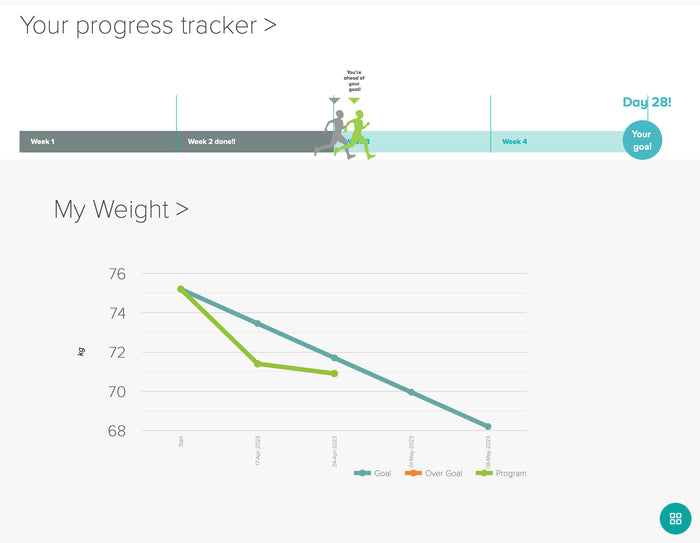
Weight loss, when done sensibly, improves joint health, cardiovascular risk, hormonal balance, and long-term independence.
The real risk lies in what we do not question.
Years or decades of excess body fat
Daily reliance on ultra processed foods
Long stretches of sitting and minimal movement
Chronic sleep deprivation
Lifelong medication use without lifestyle change
These are not neutral states. They are active drivers of disease.
The question should not be how long is it safe to do healthy things.
The better question is how long can my body tolerate the things we have normalised before the consequences become unavoidable.
Health is not built in extremes. It is built in patterns repeated over time. The safest long-term strategy is not avoiding effort, discomfort, or change. It is avoiding complacency.
Your body is remarkably adaptive. It responds to what you do consistently. The real choice is not whether change is safe. It is whether staying the same truly is.